

Embarking on your IB Diploma Programme (IBDP) marks an important step in your educational journey, as you spend the next two years deeply immersed in a range of subjects which build numerous skills and competencies.
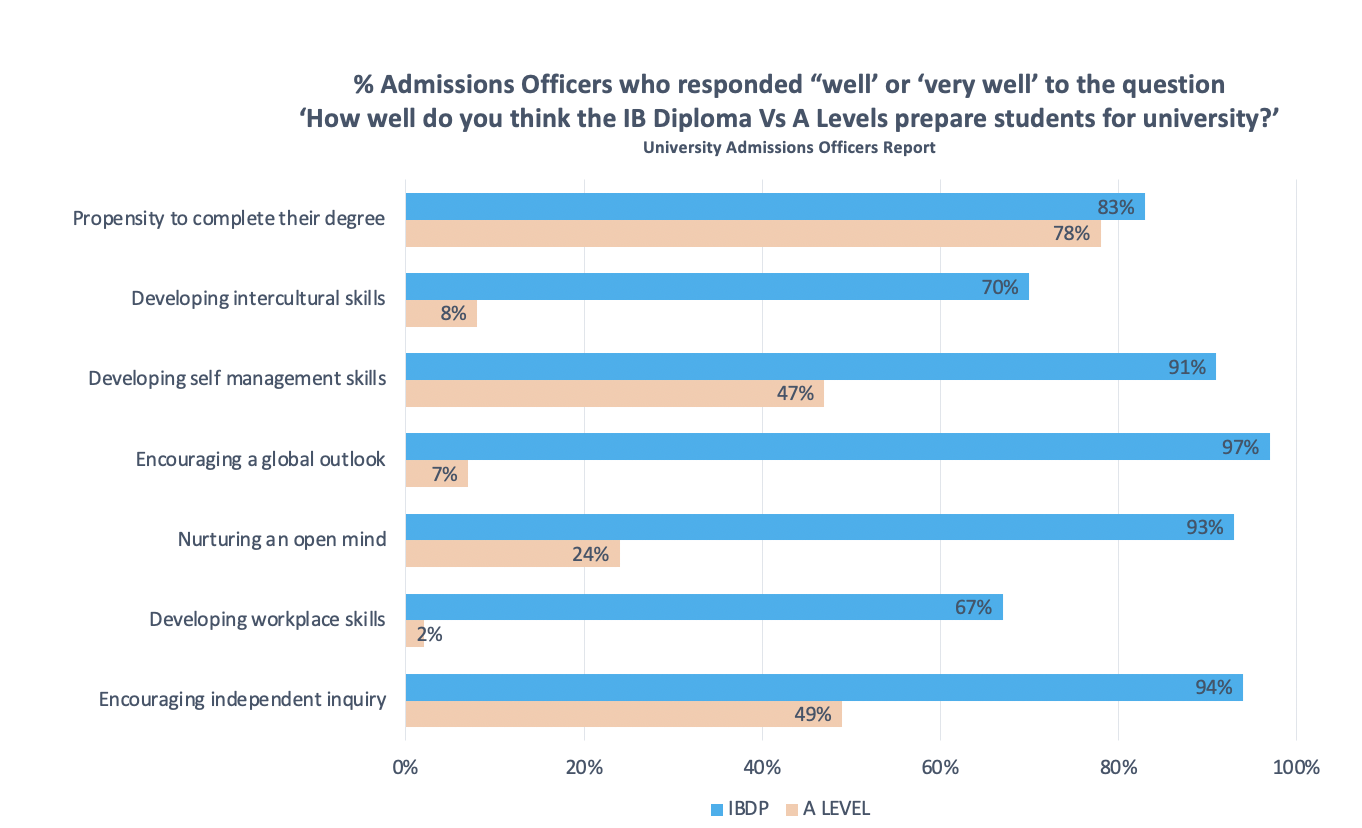
The IBDP systematically prepares you for the demands of the university by enhancing your ability to learn autonomously and confidently approach complex issues and topics. Moreover, the rigorous program provides you with the necessary exposure to the demands of university study such as the ability to manage time effectively or the research skills developed during the writing of your Extended Essay.
These skills are frequently praised by university admissions officers world-wide.
At this stage, you may be thinking: how do I effectively prepare for university? What are the steps I need to take? How do I ensure my choices are informed? How do I tackle increasingly competitive programs and really shine as an applicant? Where do I even begin my planning?
In order to maximise your time during the Diploma Programme and prepare for the challenges and rewards of university study ahead, here are some useful and strategic steps you can take to increase your confidence and motivation to pursue your tertiary ambitions:
1. Take the most out of the IBDP
When preparing for university, the very first step is to simply take the most out of your IB Diploma Programme. Studying the IBDP, you are already well-placed for developing crucial skills needed for tertiary challenges.
This means that the IBDP provides holistic support and skill development which will allow you to thrive at university. The structured, varied and comprehensive subjects, interdisciplinary links, global engagement and community-based projects all contribute to your development as a future university student. The IBDP is conceptualised in a way that allows you to develop as a learner, researcher and a young professional. You build skills, confidence, resilience and the ability to responsibly manage competing demands. All of these traits will become crucial as you begin tertiary studies.
2. Reflect: think carefully about your interests
The second step is reflective: it asks you to think through your own interests, passions and skills. Start this process early to give yourself time to understand your motivations. What are you good at? What are your interests and talents? What subjects fill you with enthusiasm and bring you joy?
The answers to these questions will provide useful preliminary guides to direct your preparation process. If you feel unsure about your choices, skills or talents at this stage – give yourself time. Choosing your own direction is challenging and you are not expected to have all the answers right away – and you may change your mind!
3. Look to the future: consider the possibilities
We live in a dynamic, ever-changing world filled with numerous advancements and growing interconnectivity. These developments are reflected in universities which increasingly offer flexible, online, blended options and interdisciplinary courses supported by technology, such as double degrees combining Arts and Law; Arts and Science; Science and Engineering.
These flexible and enriching options reflect the complexity of our globalised world where interdisciplinary skills and adaptability are sought after traits at university and the workplace. The IB Diploma nurtures precisely those traits, offering you multiple ways to develop your skills and follow your passions – and thoroughly prepare for universities and workplaces of the future.
4. Inform yourself: research your options and seek feedback
Research the university and the courses you want to study – understand the options offered, what the course entails, what the end result of the course may be and what your motivations are.
In the Diploma Program, your teachers can support you in developing a wide range of skills needed to tackle the challenges of university study. Teachers’ feedback on your assessments may provide valuable insights into your areas of strength. Additionally, your teachers can also provide valuable feedback on your university ambitions and what to expect when you start tertiary study.
5. Consider the variables and make a list!
Once you have an idea of your strengths and interests, along with the subjects / degrees you would like to study, start creating a list. While you may be highly motivated to pursue one particular university, it is always good to have a second and third option. This way, you can have a solid plan in place and approach your application processes with confidence and ease.
Choosing the right university will hold many variables to consider: is this the best course for your field of study with prominent scholars and research centres? Is the university’s reputation and research excellence overall an important factor in your decision-making? Is the location of the university a crucial factor, as it may be close to home or located in a country or a place you want to live in? Does the university provide a variety of scholarships to support your studies? Add these variables to your list as they will help you make an informed choice.
6. Reach out to the university!
Now that you have your lists, variables and you have examined some of your interests, passions and motivations, you may find you still have some lingering questions.
Approaching a university as a secondary school student may seem daunting, but most universities have an engaged Future Students team who can assist you with any queries or point you to staff members who can help. If you have further questions, explore the university website and find the most suitable contact for inquiries. This could be a general or specific email or a phone number handling future student queries.
Take initiative: asking relevant questions builds your confidence as a future university student and allows you to take responsibility for your ambitions.
7. Build your early professional identity
In order to increase your confidence and contribute to your planning and preparations, you can nurture an early professional identity. What does this mean? Try seeing yourself as a young professional while studying for your Diploma:
- Take responsibility for your learning, and develop a good work ethic.
- Engage in collaborative work and respond constructively to feedback.
- Nurture professional connections with your teachers and the community.
- Take every opportunity to learn and improve your skills while drawing on your passions.
- Immerse yourself in skill development beyond the classroom through volunteering or extra curriculars which enhance your skills and target your interests.
All of these actions will allow you to develop confidence to aim high and navigate changing expectations of tertiary study as well as future workplaces.
Best of luck with your university preparations!