


The Transformative Power of Outdoor Learning
Why outdoor learning is so important for your child’s academic and personal growth.
Posted: 2nd July 2025
Challenging conventions
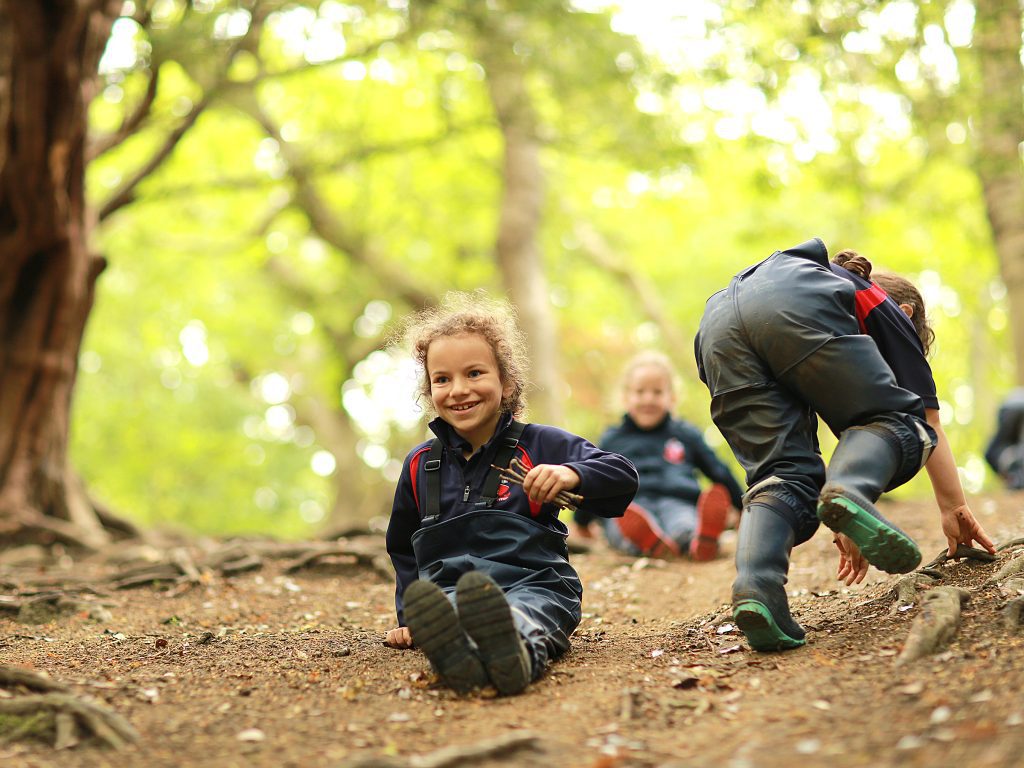
As parents, we all want our children to blossom into confident, curious, resilient, and well-rounded individuals. And in our modern world, it’s clear that learning doesn’t need walls to thrive. In fact, taking early education into the great outdoors – into forests, onto beaches, or across meadows – can ignite skills conventional classrooms miss. Whether it’s sensory discovery, practical problem-solving, or emotional growth, outdoor learning really delivers.
We take a look at the benefits of outdoor learning, including our very own FaB (Forest & Beach) School for our nursery and Prep School learners.
Top 6 Reasons Schools should offer Outdoor Learning
1. Hands-On Engagement Boosts Intellectual Growth
Outdoor settings naturally encourage experiential learning. Children manipulate real-world objects – sticks, sand, shells, leaves – to explore abstract concepts like volume, balance, patterns, and more. Research confirms that “hands-on engagement with the natural environment stimulates imaginative play” and supports multiple curricular areas like literacy, STEM, and art.
2. Multi‑Sensory Environments Aid Memory & Focus
Learning outside triggers our senses in unique ways that cannot be replicated. Nature speaks to children through textures, sounds, smells, sights, helping them process better. These multi-sensory experiences make learning more memorable .
3. Building Confidence Through Risk & Resilience
Outdoor learning encourages managed risk-taking. Climbing over rocks, building shelters, lighting campfires – each tiny challenge, safely navigated, builds independence. Children learn to assess risk and make decisions – skills echoing well beyond the playground.
4. Physical & Mental Wellbeing
Unstructured movement outside develops balance, coordination, strength, and spatial awareness. Plus, sunlight and fresh air lift mood and combat stress – restoring attention and supporting mental health.
5. Social & Emotional Development
Outdoor play fosters collaboration, sharing, and empathy as children work in small teams on tasks like rock collecting or den-building. They learn conflict resolution and leadership too. This social engagement is key in early years development .
6. Creative Expression Flourishes
Natural materials – driftwood, shells, clay – become tools for storytelling, art, and imaginative play. Outdoors, children aren’t bound by worksheets; instead, they craft, create, and express using their environment.


Westbourne’s Forest & Beach School: A Unique Double Dose
While forest schools and beach schools are each valuable, Westbourne Prep and Nursery offer a brilliantly unique combination: a Forest & Beach School (FaB School). This dual model celebrates woodland wisdom and coastal wonder.
Rooted in Danish Pedagogy
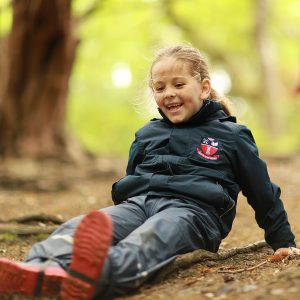
Westbourne’s FaB School is inspired by Danish forest school traditions, where nature forms its own classroom. Regular outdoor sessions are integrated into weekly routines for preschool and primary students, which is a rare feature.
Multiple Worlds to Explore
-
Private Forest Site: A dedicated 20-acre woodland on a local farm, used exclusively by the school, complete with campfire circles, hammock stations, swings, natural-building zones, digging pits, and fire pits for snack time around the fire.
-
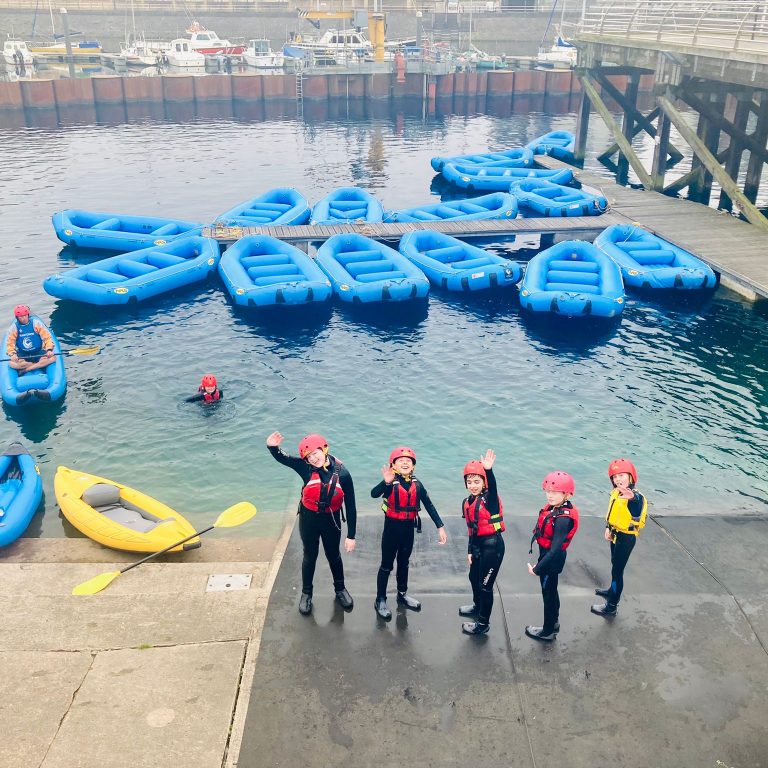
Coastal Classrooms: And just minutes away, the beautiful Vale of Glamorgan coastline! Westbourne children explore rocky shorelines, sandy beaches, islands and coastal formations – studying isopods, tides, cliffs, and microbial life in rockpools.
Signature Activities & Learning Opportunities
Westbourne’s FaB School sessions are layered with rich experiential learning:
-
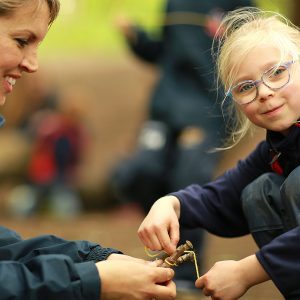
In the Forest: Den building; safe use of saws, drills, knives; fire-making; whittling; learning knots and fire safety; storytelling by the fire; seasonal crafts.
-
At the Beach: Shell-collecting and counting; literacy through sand mark-making; rockpool exploration; dam construction; story creation; tactile and sensory play; beach fires; tools for digging and gathering.
Curriculum Real-world Connections
FaB School seamlessly weaves into academic studies:
-
Geography & Science: Examining rock formations, tides, ecosystems, seasonal weather, biology, and environmental science .
-
Maths & Literacy: Counting pebbles, making numbers from sand, marking shapes, storytelling, and language development.
-
Personal Development: Leadership, communication, spatial reasoning, planning—all through planning tasks like building dens or treks.
Unique Advantages at Westbourne
Dual Landscapes: Both woodland and coastline available!
Private, Safe Spaces: A reserved 20-acre forest gives freedom and security for deeper learning.
Expert-led: Sessions led by trained staff with high adult-to-child ratios, ensuring safety during challenging activities.
Curriculum Integration: Outdoor activities are not just play – they actively support geography, science, maths, art, literacy.
Proximity: Minutes from coast and countryside, while based in the safe, accessible Penarth.


Why Outdoor Learning Matters: The Science‑Backed Case
Enhanced Academic Learning
Studies show outdoor learning environments consistently boost engagement, retention, and conceptual understanding – particularly in science, geography and STEM. These benefits grow with multi-layered, regular exposure (like FaB School).
Physical Development & Health
Outdoor nature-based activity is tied to improvements in gross and fine motor skills, posture, sensory processing, and even vision. At Little Westbourne Nursery, we understand this, ensuring that FaB School and other outdoor learning opportunities, including local park and beach walks, scavenger hunts and farm visits are woven into the curriculum.
Social, Emotional & Behavioural Strengthening
Nature-based school benefits children with attention deficits or behavioural challenges, reducing incidents, fostering calmer learning, and supporting emotional self-regulation.
Resilience & Risk Management
Forest schools teach risk with responsibility. Children learn to evaluate hazards and make decisions, supported by adult-guided reflections, and developing mindset and maturity.
Environmental Stewardship
When children connect with nature – seeing ecosystems and understanding human impact – they develop respect and environmental responsibility. This awareness equips them to become informed future citizens, with the global mindedness to make a positive impact on the world, ready for the challenges of tomorrow.


Categories: Blog